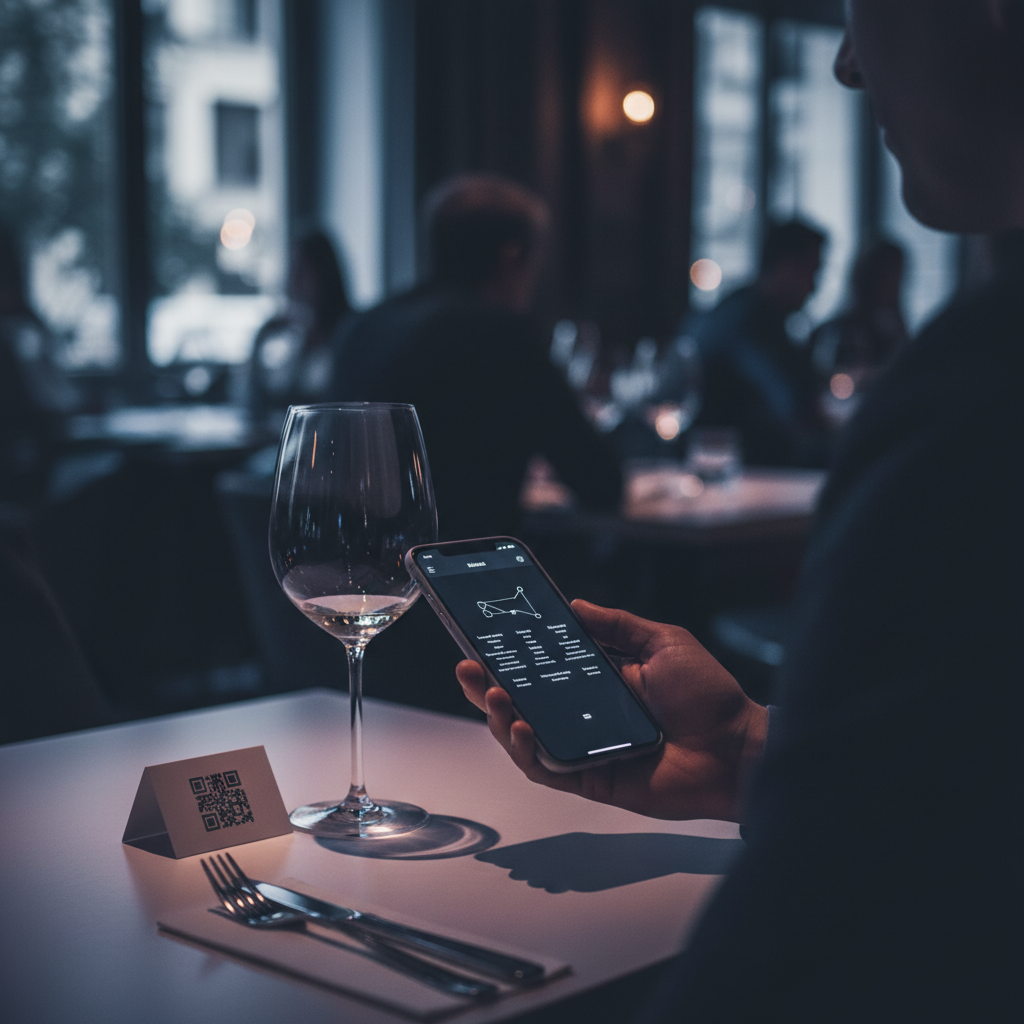
QR menus are more than a convenience feature. When implemented strategically, they become a valuable customer data touchpoint — helping restaurants understand menu browsing behavior, improve marketing, and connect menu engagement to loyalty and ordering systems.
Build your digital or QR menu in minutes
Try our Free AI Menu Builder for RestaurantsWhat Data QR Menus Can Capture
Want a digital menu with QR code for your restaurant? Build your free digital menu — Create a QR menu in minutes — update it anytime, no printing required.
At a basic level, QR menus can track scans, page views, time spent on menu sections, and device type. More advanced systems can connect menu browsing to online ordering, loyalty signups, and promotional campaign performance.
Why This Matters
Printed menus tell you nothing about what customers looked at before ordering. Digital menus can reveal which categories attract the most attention, where customers drop off, and which featured items generate the most clicks. That data helps restaurants refine menu layout, pricing strategy, and promotions.
QR Menu Marketing Opportunities
A QR menu can also become a marketing surface. Restaurants can add subtle calls to action for loyalty signup, SMS clubs, special events, or featured offers. The key is restraint — the menu should remain a menu first, not turn into a cluttered ad space.
For operators using a platform like Loop.fans, the QR menu can become the first step in a broader relationship journey: menu view, loyalty enrollment, rewards access, and repeat-visit engagement.
Why QR Menus Have Become Essential for Modern Restaurants
The adoption of QR code menus accelerated dramatically during the pandemic, but their advantages have kept them mainstream well beyond that period. Restaurants that switched to QR menus discovered benefits that go far beyond hygiene: instant menu updates, reduced printing costs, richer customer data, and a more streamlined table experience.
For small and independent restaurants especially, QR menus level the playing field. A small bistro can now offer the same polished digital experience as a large chain — complete with high-resolution food photography, allergen information, real-time specials, and even integrated ordering — without the overhead of a dedicated tech team.
How QR Menus Connect to Customer Loyalty on Loop.fans
One of the most underutilized opportunities in QR menu strategy is the connection to loyalty programs. When a guest scans your QR menu, you have a moment of direct digital engagement. Loop.fans enables restaurants to embed loyalty sign-up flows directly into that touchpoint — so a scan becomes not just a menu view, but the beginning of a customer relationship.
Guests can earn points for visits, for sharing photos of their meals, or for leaving reviews. This turns every table scan into a potential loyalty conversion. Over time, you build a database of engaged regulars rather than anonymous covers.
Step-by-Step: Getting Your QR Menu Right
- Choose a platform that allows instant updates: Your QR code should link to a live menu, not a static PDF. When you 86 an item or change a price, it should update in seconds.
- Design for mobile first: Most guests will view your menu on a smartphone. Large tap targets, readable fonts, and fast load times matter more than desktop aesthetics.
- Include high-quality photos: Menus with food photography see higher average check sizes. Even simple, well-lit photos on a smartphone can make a significant difference.
- Add allergen and dietary labels: Guests with dietary restrictions appreciate clear labeling. This also reduces the load on your servers fielding ingredient questions.
- Test the scan from every table: QR codes can fail if printed too small, placed in low-light areas, or laminated with a glossy finish that creates glare. Test each placement before service.
Common QR Menu Mistakes to Avoid
Even restaurants with good intentions make avoidable mistakes with their QR menu rollouts. Here are the most common issues and how to fix them:
- Linking to a PDF: A PDF menu is not searchable, not responsive, and cannot be updated in real time. Always use a hosted digital menu platform.
- No fallback for guests without smartphones: Always have a few physical menus or a printed sheet available for guests who prefer or need them.
- Poor placement: A QR code that's too small, placed flat on the table under a candle, or behind a condiment holder will frustrate guests. Mount it at eye level or use a table tent stand.
- Forgetting to update the menu: The biggest advantage of a digital menu is real-time updates. If your QR menu still shows a seasonal item from three months ago, you've lost the benefit.
- Not tracking scan data: Most QR menu platforms provide analytics on scan rates by table, time of day, and popular items. Use this data to optimize your menu engineering and staffing.
QR Menus and the Future of Table Service
QR menus are increasingly becoming the first layer of a broader digital table experience. Forward-thinking restaurants are integrating them with order-at-table systems, payment solutions, and loyalty programs to create a fully connected dining journey. A guest can scan, browse, order, pay, earn loyalty points, and leave a review — all from their phone, without a server needing to handle paper, terminals, or receipts.
This doesn't replace hospitality; it enhances it. When servers are freed from transactional tasks like handing out menus and processing payments, they can focus on the human elements that create memorable experiences: recommendations, personalization, and genuine connection.
Ready to build your digital menu?
Try our Free AI Menu Builder for RestaurantsFrequently Asked Questions About QR Menus
Do QR menus work for every type of restaurant?
QR menus work well for most dining formats, including casual
Create your menu now — free, no design skills needed
Try our Free AI Menu Builder for RestaurantsAre QR menus free to use?
Many QR menu platforms offer free tiers with basic features. Paid plans typically unlock analytics, custom branding, ordering integration, and loyalty features. For most small restaurants, a free or low-cost plan covers the essentials.
Can I still use printed menus alongside QR codes?
Absolutely. Most restaurants use QR codes as the primary option while keeping a small number of printed menus for guests who prefer them. A hybrid approach ensures no guest is left without a good experience.
How Loop.fans Fits Into the Restaurant Ecosystem
Loop.fans is built for restaurants that want to go beyond transactional loyalty. Traditional stamp cards and basic points programs reward spend only. Loop.fans enables you to reward the full range of valuable guest behaviors: visits, referrals, user-generated content, reviews, and social sharing.
The platform is designed to be lightweight for guests (no app download required) and powerful for operators. You can set up your program, define what earns points, and configure rewards in minutes. The data you collect — who your most engaged guests are, what brings them back, what they share — becomes a valuable asset for making smarter marketing decisions.
Frequently Asked Questions
What's the most impactful technology investment for a small restaurant?
For most small restaurants, the combination of a clean, mobile-optimized website with integrated online ordering or reservations delivers the fastest ROI. These tools directly increase revenue and reduce the operational friction of managing bookings and orders manually.
How do I choose the right loyalty program for my restaurant?
Start by identifying what behavior you most want to encourage — repeat visits, referrals, social sharing — and find a platform that makes those things easy to reward. Ease of enrollment for guests and ease of management for your team should both be high on your criteria list.
Is it worth investing in digital tools for a restaurant that already has strong word-of-mouth?
Strong word-of-mouth is an asset — and digital tools amplify it. A loyalty program gives your advocates a reason to refer friends, a digital menu gives them something easy to share, and a good website converts the referrals they send into actual bookings.
Ready to get started?
Launch your free digital loyalty card — No app download required for customers. Set up in 10 minutes.
Part of our the complete guide to digital & QR menus for restaurants.